

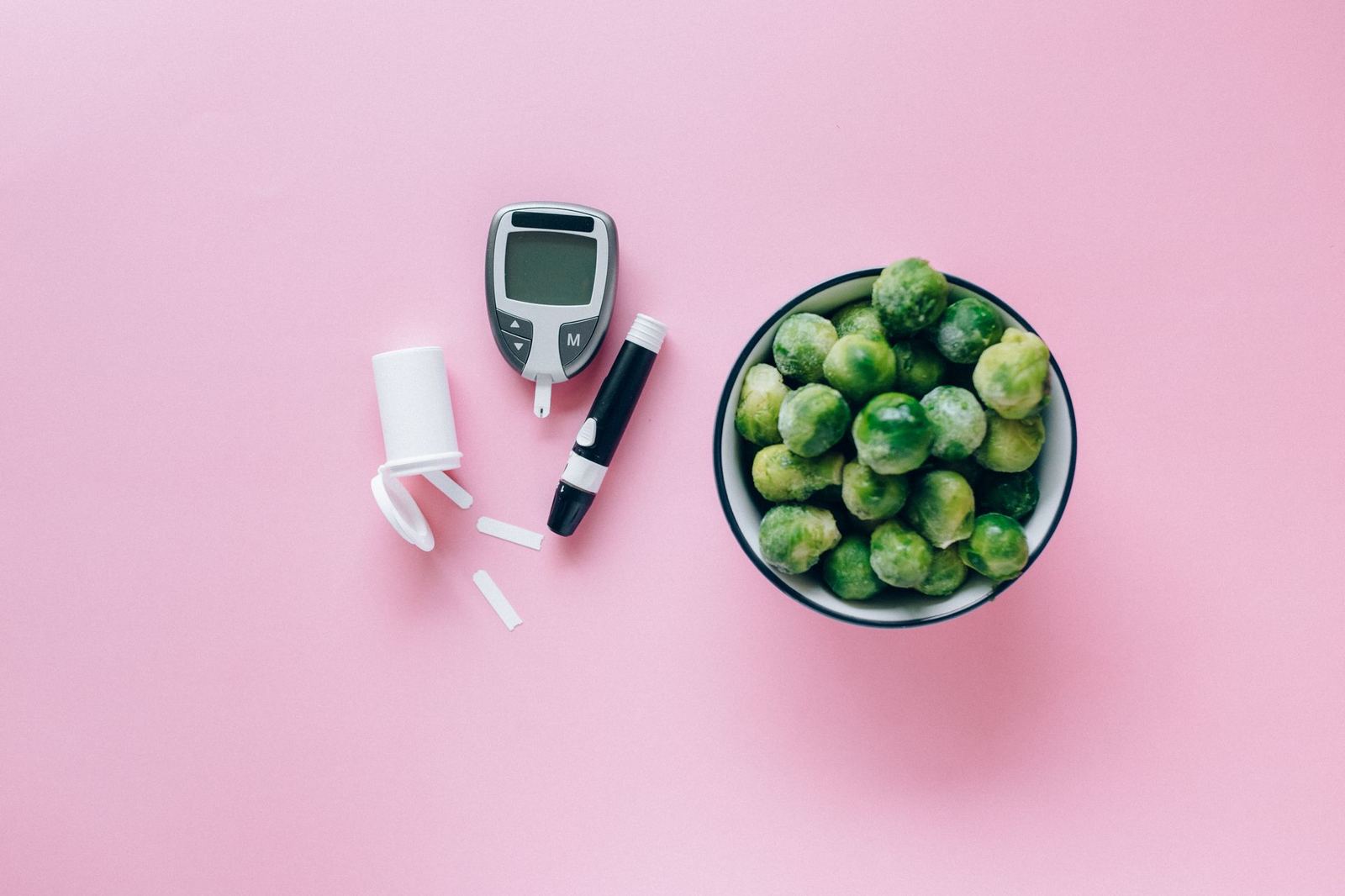
Common myths about carbohydrates, fruit, skipping meals and supplements, and a balanced approach.
Insulin resistance is a condition in which cells respond less than normal to insulin and is usually determined by a doctor's diagnosis. Nutrition is an important tool in managing it, but a lot of misinformation circulates online. Here are common myths and a balanced approach.
Myth 1: 'I must give up carbohydrates completely'
Eliminating carbohydrates is not necessary and not sustainable. What matters is type and amount. Fibre-rich carbohydrates such as wholegrains, legumes and vegetables raise blood sugar more slowly. Refined carbohydrates such as white bread, sugary drinks and pastries should be reduced.
Myth 2: 'I must not eat fruit'
Fruit is a source of fibre, vitamins and minerals. Two to three portions of fruit a day suit most people with insulin resistance; whole fruit eaten with protein is preferable to fruit juice.
Myth 3: 'Skipping meals speeds up weight loss'
Long fasts can lead to overeating at the next meal and blood sugar swings. Regular meals with protein and fibre at each give a more balanced result in most people. Methods like intermittent fasting should be assessed with individual circumstances and a doctor's opinion.
Myth 4: 'A miracle herbal tea or supplement solves it'
Evidence of the effect of cinnamon, vinegar or herbal teas on blood sugar is limited. Supplements should be used only on laboratory findings and a doctor's recommendation; they can interact with drug treatment.
What really works?
- Half the plate vegetables, a quarter protein, a quarter fibre-rich carbohydrate
- Cutting sugary drinks and packaged snacks
- At least 150 minutes of moderate movement a week and resistance exercise two days a week
- Enough sleep and stress management
- Regular doctor check-ups and lab follow-up
Follow up with your doctor
A diagnosis of insulin resistance is usually supported by tests such as fasting glucose, fasting insulin, HOMA-IR and HbA1c. To see the effect of a nutrition plan, it is useful to repeat tests at the intervals your doctor suggests (usually every three to six months). Do not change your drug treatment yourself because of a dietary change.
This article is for general information. If you have a diagnosis of insulin resistance, prediabetes or diabetes, you should build your nutrition plan together with your doctor.
Related Posts

Sustainable Weight Loss: How Much a Week Is Realistic? The Yo-Yo Trap
A loss of 0.5-1 kg a week, muscle preservation, plateaus and five principles for lasting results.
Read More